


Duration 4 years (8 semesters)
Eligibility Criteria 10+2 with minimum 70% Marks (40% in case of Reserved category) in Physics, Mathematics along with Chemistry/Biotechnology/Computer Science as one of the subjects.
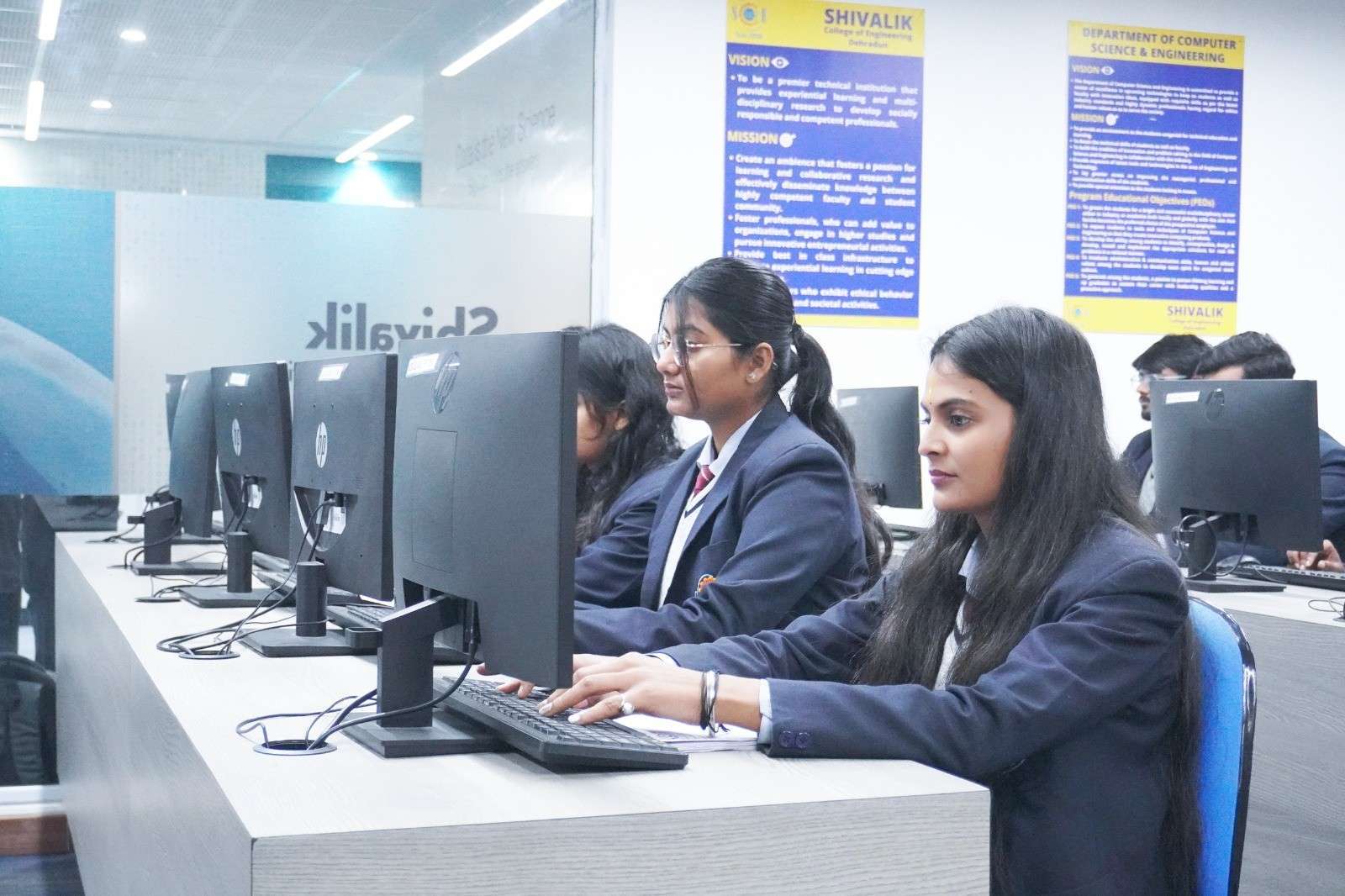
Artificial Intelligence (AI) and Machine Learning (ML) are the sub-areas of Computer Science. CSE with AI and ML program deal with creating software and hardware that make computers ‘intelligent’ and capable of performing tasks like humans, with logic and reason. Industries have started applying many research discoveries in this field, making and saving millions. Challenges previously thought unsolvable are now getting cracked with sophisticated AI technology.
The B. Tech CSE with AI and ML program aims to build in students the theoretical foundations and practical skills of Artificial Intelligence and Machine Learning to face the new world of digital disruption and transformation.
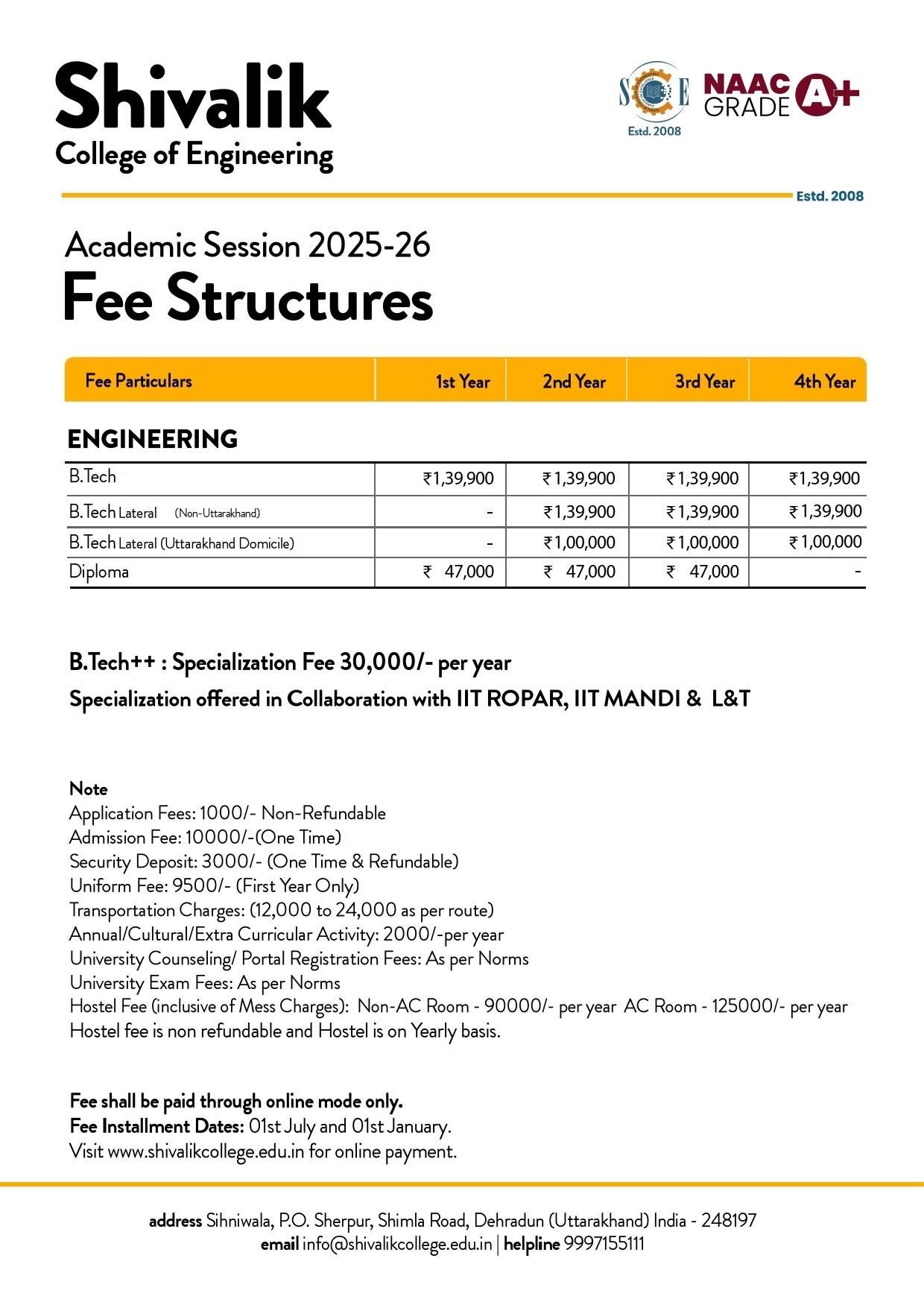
Fee Strucutre
FAQ's
Students are given a holistic learning experience and no stone is left unturned in ensuring their professional progress. The Shivalik Computation and Automation Society’s technical events, as well as the ‘Earn While You Learn’ – Internship Program, provide them with the necessary add-on skills and knowledge to face the problems of real life.
A specialization in Artificial Intelligence and Machine Learning is in high demand and can work, and can lead one to a variety of industries. Data Analyst, Data Scientist, Data Engineer, Principal Data Scientist, and Computer Vision Engineer are some of the job roles that are highly suitable after completing this course.
A B.Tech. in Artificial Intelligence and Machine Learning graduate from a reputable college can expect to earn at least Rs. 10 lakh per year.
Updated: 02 Sep 2025
| S. No | Faculty Name | Department | Designation | Date of Joining | Nature of Association |
|---|---|---|---|---|---|
| 1 | Ms. Rupa Mondal | CSE, AIML | Assistant Professor | 29-08-2025 | Regular |
| 2 | Mr. Ashish Belwal | CSE, AIML | Assistant Professor | 10/01/2024 | Regular |
| 3 | Mr. Anil Kumar | CSE, AIML | Assistant Professor | 01/08/2024 | Regular |
| 4 | Ms. Ladwinder Kaur | CSE, AIML | Assistant Professor | 22/07/2024 | Regular |
| 5 | Ms. Shefali Bisht | CSE, AIML | Assistant Professor | 23-07-2024 | Regular |
| 6 | Mr. Paramjeet Singh | CSE, AIML | Assistant Professor | 15-07-2025 | Regular |
Curriculum
| BAST 101 BASP 101 | Engineering Chemistry |
| BAST 102 | Mathematics-I |
| BAST 103 BASP 103 | English for Communication |
| BEET 101 BEEP 101 | Basic Electrical & Electronics Engineering |
| BCST 101 BCSP 101 | Fundamentals of Computers & Programming in C |
| BMEP 101 | Manufacturing Practices / Workshop |
| BASP 102 | Internship-I (60 Hrs Duration) at the Institute level |
| BAST 104 BASP 104 | Engineering Physics |
| BAST 105 | Mathematics-II |
| BMET 102BMEP 102 | Basic Mechanical Engineering |
| BCET 101 BCEP 101 | Basic Civil Engineering & Mechanics |
| BMEP 103 | Engineering Graphics |
| BASP 106 | Language Lab & Seminars |
| BEST 101 | Environmental Studies |
| BCET-301 | Energy & Environmental Engineering |
| BCST-302 | Discrete Structure |
| BCST-303 BCSP-303 | Discrete Structure |
| BCET-304 BECP-304 | Data Structure |
| BEET-305 BEEP-305 | Object Oriented Programming & Methodology |
| BCSP-306 | Computer Workshop (Using Python) |
| BASP-107 | Evaluation of Internship-I completed at I year level /Seminar for Lateral Entry students |
| BAST 401 | Mathematics- III |
| BECT 402 BECP 402 | Database Management Systems |
| BECT 403 BECP 403 | Software Engineering |
| BEET 404 BEEP 404 | Computer Org. & Architecture |
| BEET 404 BEEP 404 | Theory of Automata and Formal Languages |
| BHUT 401 | Universal Human Values-2 |
| BCST 501 BCSP 501 | Operating System |
| BCST 502 BCSP 502 | Computer Networks |
| BCST-503 BCSP-503 | Design and Analysis of Algorithms |
| BCST-504 | Departmental Elective-I |
| BOCS-505 | Open Elective-I |
| BCST-506 | Virtual Lab (Unix/Linux/python/JAVA etc) |
| BCST-508 | Evaluation of Internship-II completed at II year level |
| BCST-601 BCSP-601 | Microprocessors and Applications |
| BCST-602 BCSP-602 | Compiler Design |
| BCST-603 BCSP-603 | Data Analytics |
| BCST-604 | Departmental Elective |
| BOCS-605 | Open Elective |
| BCSP-606 | Open Source Lab/Matlab Programming |
| BCSP-607 | Minor Project -I |
| BCST 701 BCSP 701 | .NET Framework and Programming |
| BCST-702 BCSP-702 | Ad hoc and Wireless Networks |
| BCST-703 | Departmental Elective |
| BCST-704 | Open Elective |
| BCSP-705 | Virtual Lab |
| BCSP-706 | Evaluation of Internship-III completed at III year level |
| BCSP-707 | Minor Project-II |
| BCST-801 BCSP-801 | Advanced Operating Systems |
| BCST-802 BCSP-802 | Cryptography & Network Security |
| BCST-803 | Departmental Elective |
| BOCS-804 | Open Elective |
| BCSP-805 | Major Project |
Program Specific Outcomes and Program Educational Objectives
Program Outcomes(POs)
Engineering knowledge: Apply the knowledge of mathematics, science, engineering fundamentals, and anengineering specialization to the solution of complex engineering problems
Problem analysis: Identify, formulate, review research literature, and analyze complex engineering problems reaching substantiated conclusions using first principles of mathematics, natural sciences, andengineering sciences
Design/development of solutions: Design solutions for complex engineering problems and design system components or processes that meet the specified needs with appropriate consideration for the public health and safety, and the cultural, societal, and environmental considerations.
Conduct investigations of complex problems: Use research-based knowledge and research methods including design of experiments, analysis and interpretation of data, and synthesis of the information toprovide valid conclusions
Modern tool usage: Create, select, and apply appropriate techniques, resources, and modern engineering and IT tools including prediction and modeling to complex engineering activities with an understanding of the limitations
The engineer and society: Apply reasoning informed by the contextual knowledge to assess societal, health, safety, legal and cultural issues and the consequent responsibilities relevant to the professional engineering practice
Environment and sustainability: Understand the impact of the professional engineering solutions insocietal and environmental contexts, and demonstrate the knowledge of, and need for sustainable development
Ethics: Apply ethical principles and commit to professional ethics and responsibilities and norms of the engineering practice
Individual and team work: Function effectively as an individual, and as a member or leader in diverse teams, and in multidisciplinary settings
Communication: Communicate effectively on complex engineering activities with the engineering community and with society at large, such as, being able to comprehend and write effective reports and design documentation, make effective presentations, and give and receive clear instructions.
Project management and finance: Demonstrate knowledge and understanding of the engineering and management principles and apply these to one‘s own work, as a member and leader in a team, to manage projects and in multidisciplinary environments
Life-long learning: Recognize the need for, and have the preparation and ability to engage in independent and life-long learning in the broadest context of technological change.
Department Program Specific Outcomes (PSOs)
Apply AI & ML models, frameworks, and data-driven techniques to design intelligent systems that meet industry and societal needs.
Develop and deploy AI-based applications using open-source and cloud-based tools for automation, prediction, and decision-making.
Program Educational Objectives (PEOs)
Graduates will achieve successful careers in industries, academia, research organizations, or as AI-driven entrepreneurs.
Graduates will apply AI & ML algorithms, tools, and emerging technologies to develop innovative and sustainable solutions.
Graduates will demonstrate expertise in designing, developing, and deploying intelligent systems for solving complex real-world problems.
Graduates will exhibit strong communication, leadership, teamwork, and ethical decision-making in professional practice.
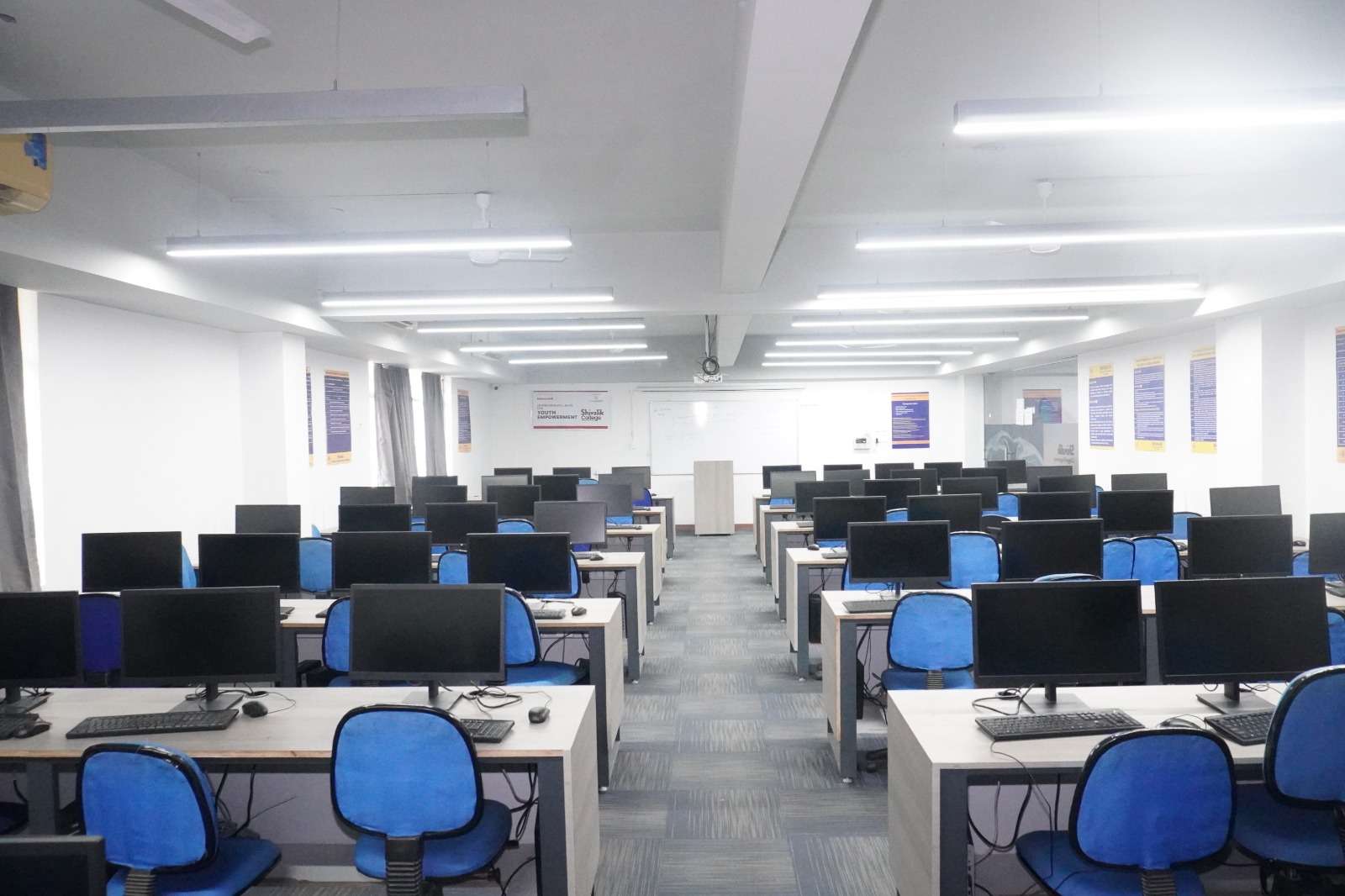
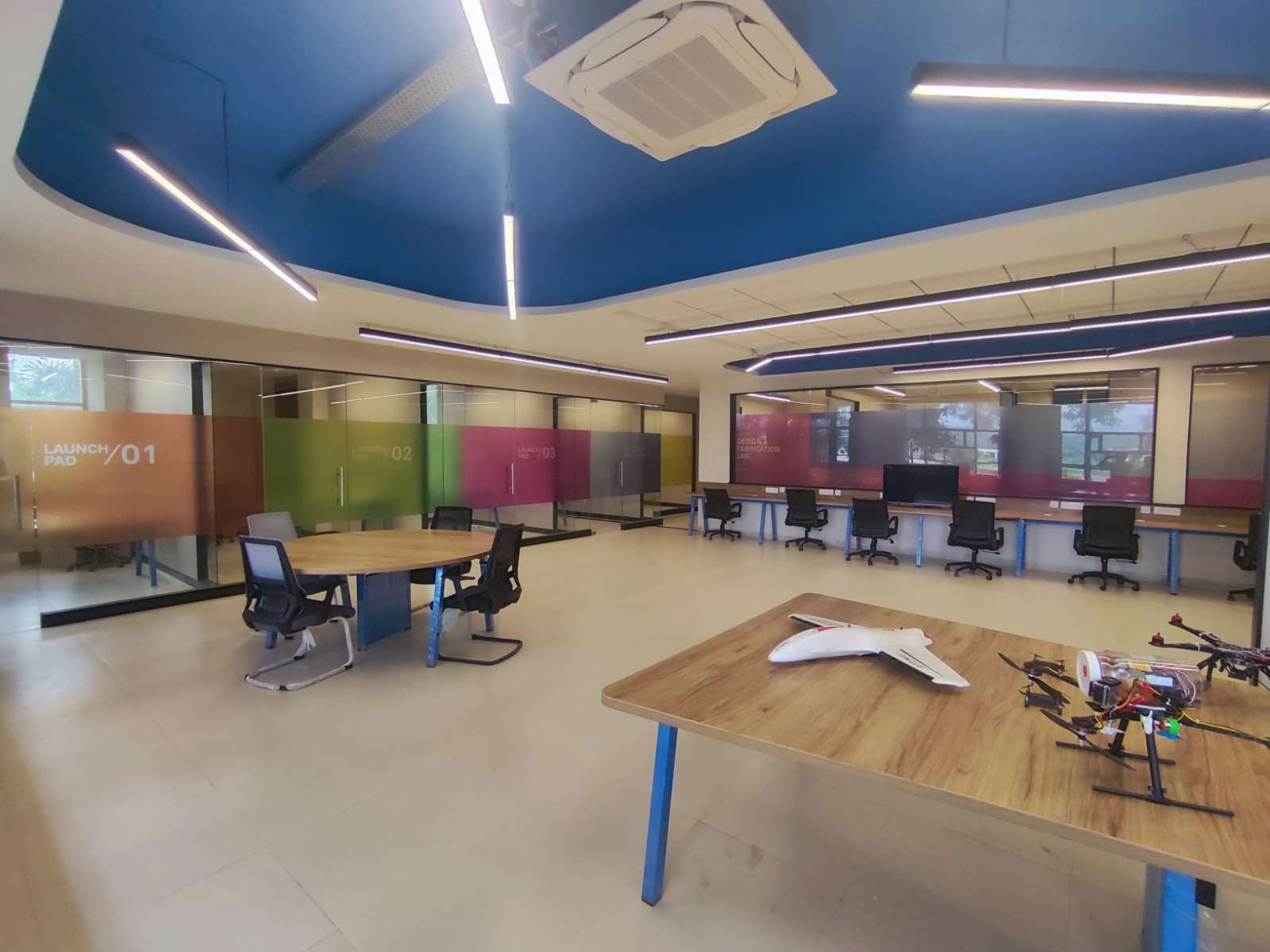
Facilities
Vision & Mission
“To produce globally competent engineers in Artificial Intelligence and Machine Learning, equipped with
innovation, research aptitude,
ethical values, and a commitment to solving real-world challenges for the benefit of society.”